Loading...
$1186.88
Shipping In KR Incl.
No Extra Fee
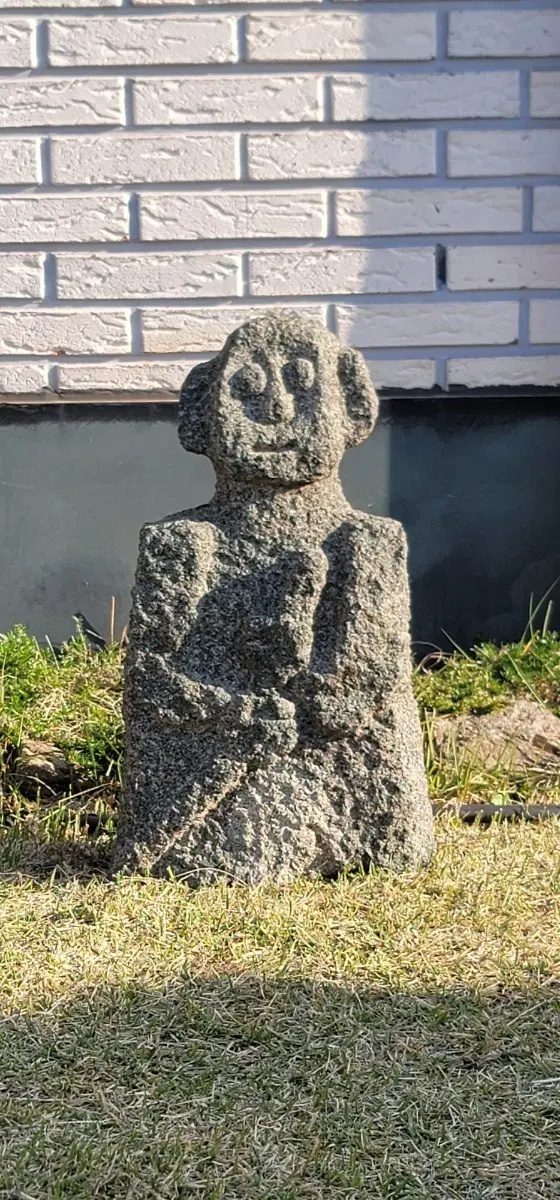
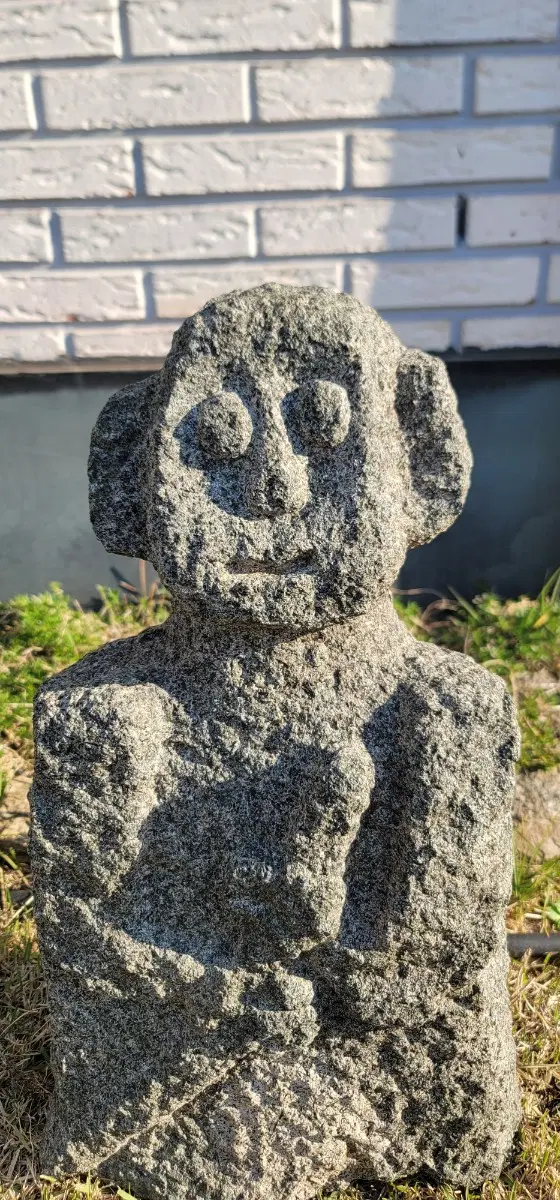
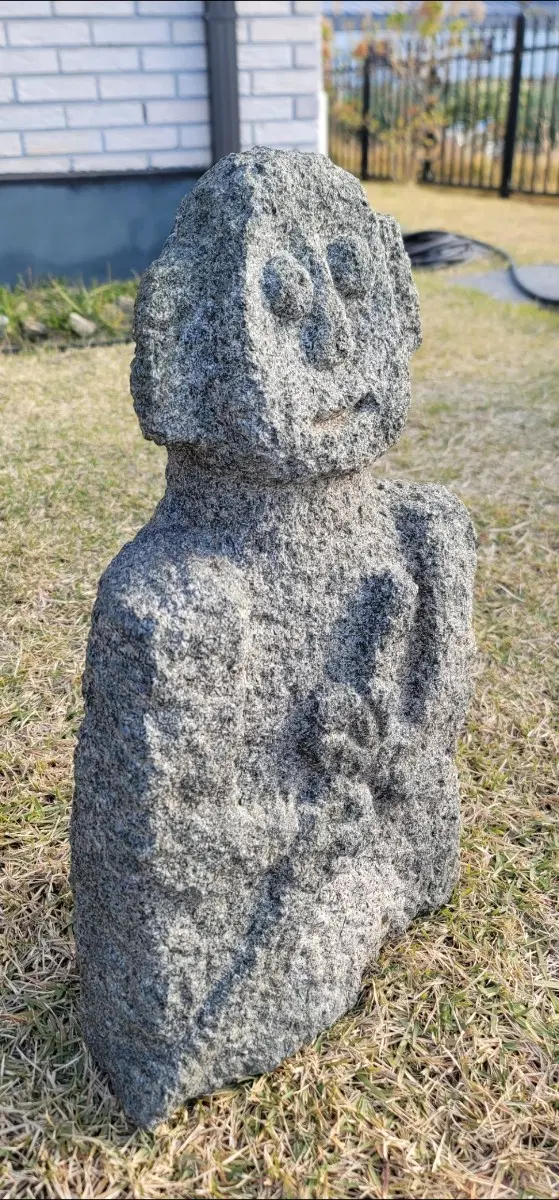
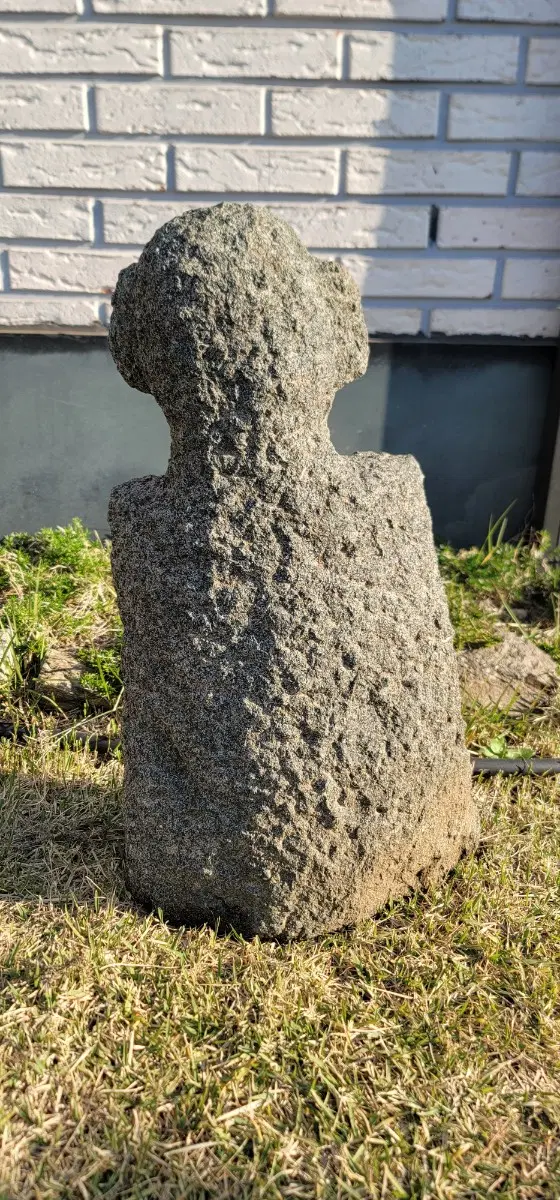
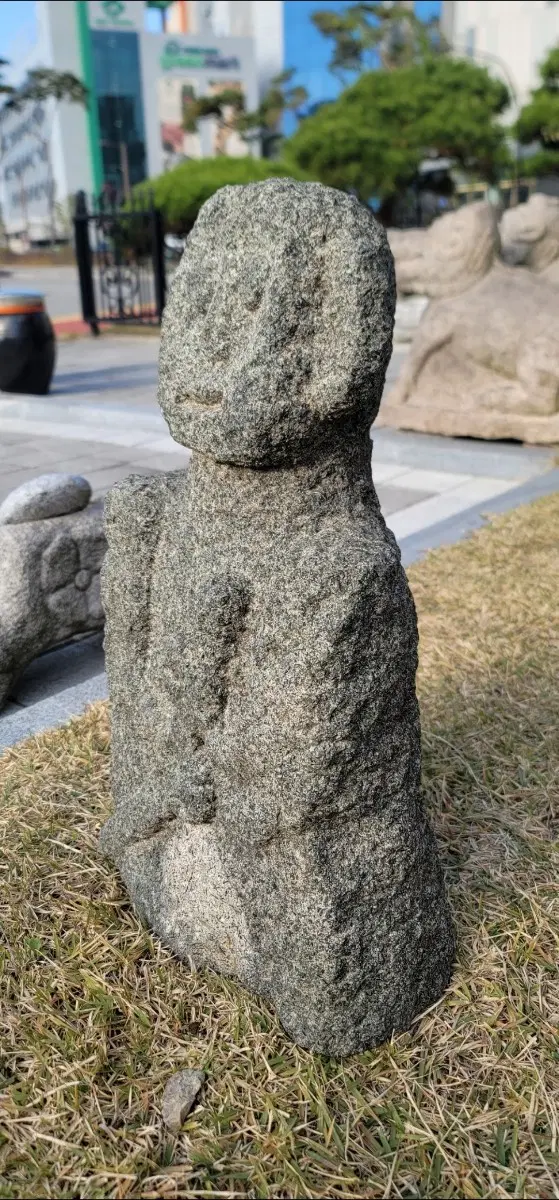
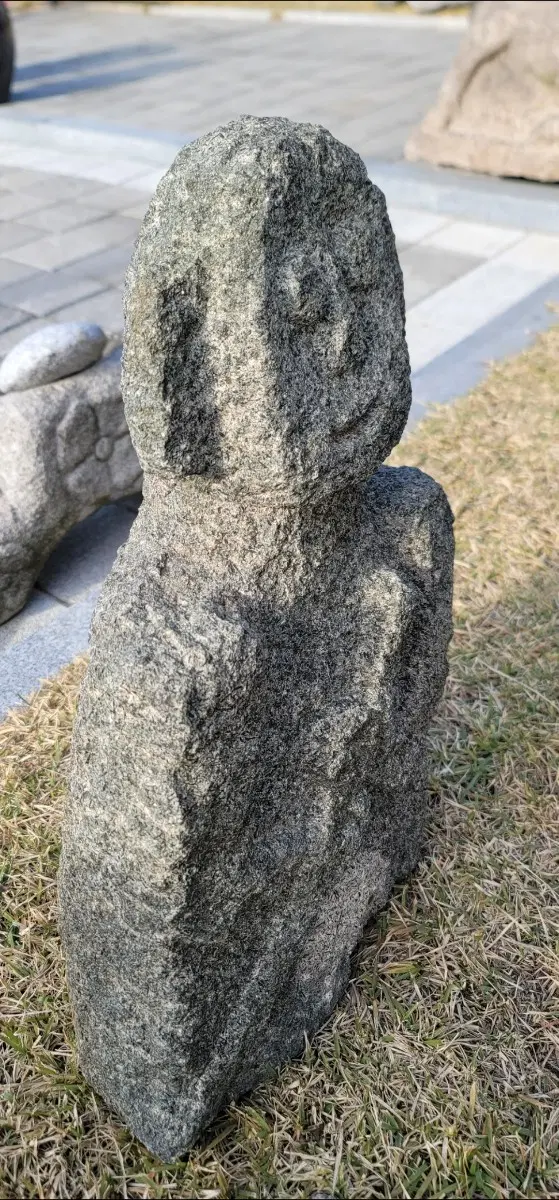
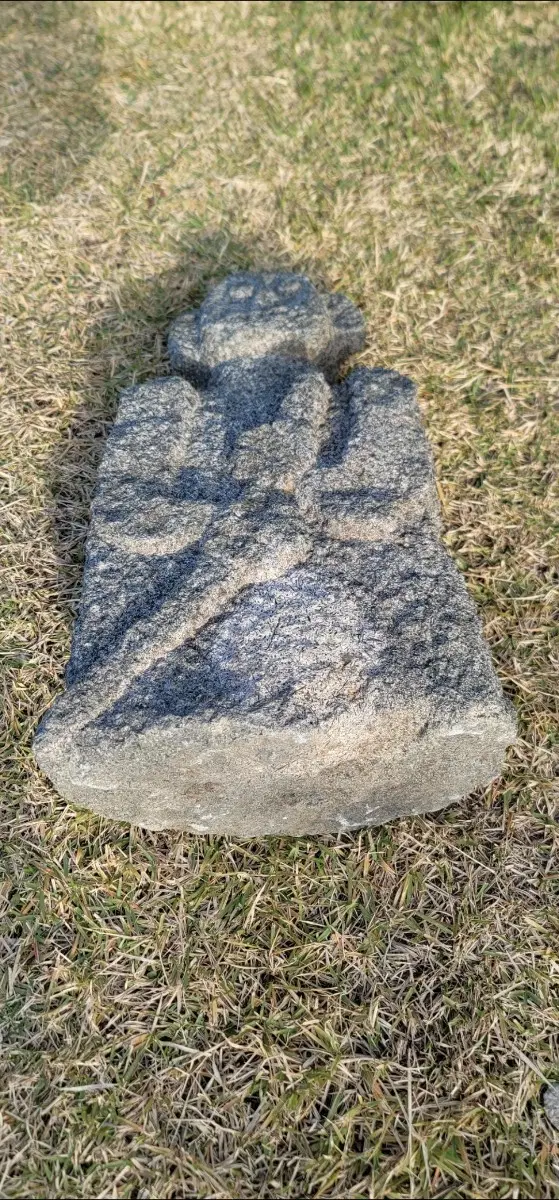
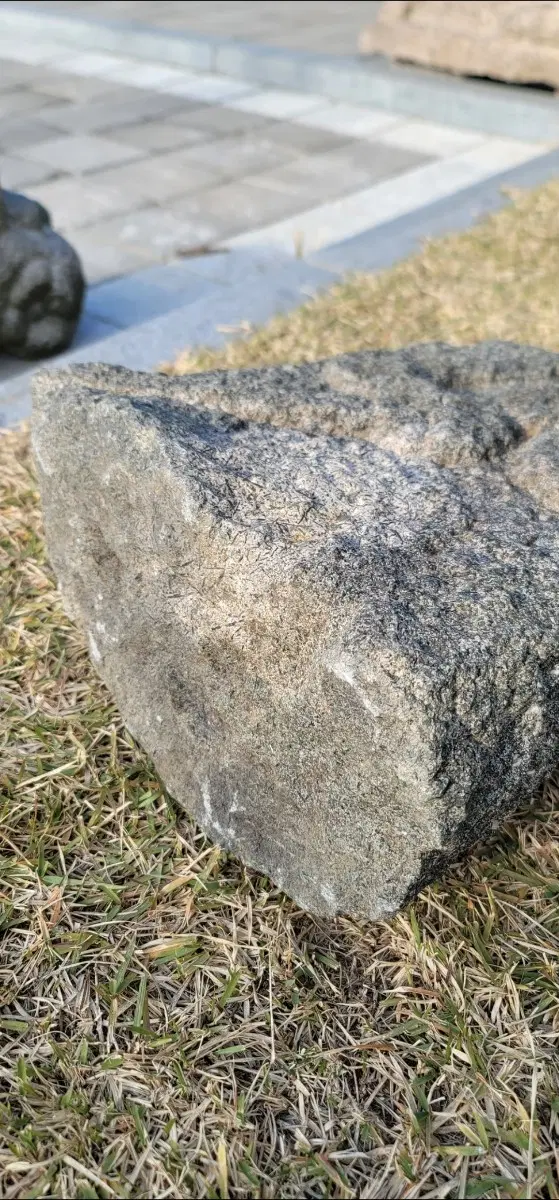
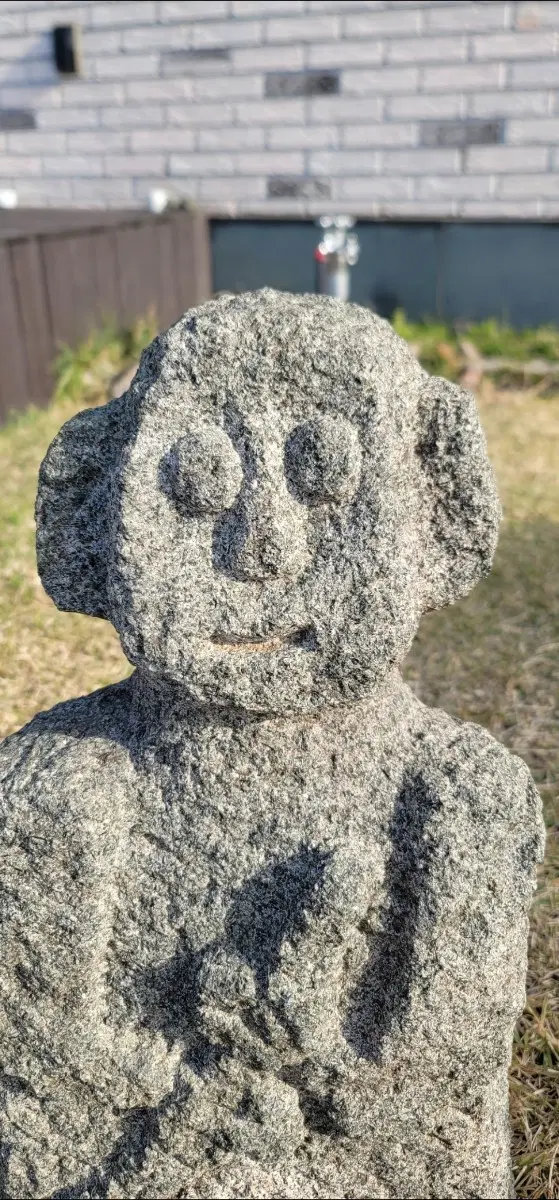
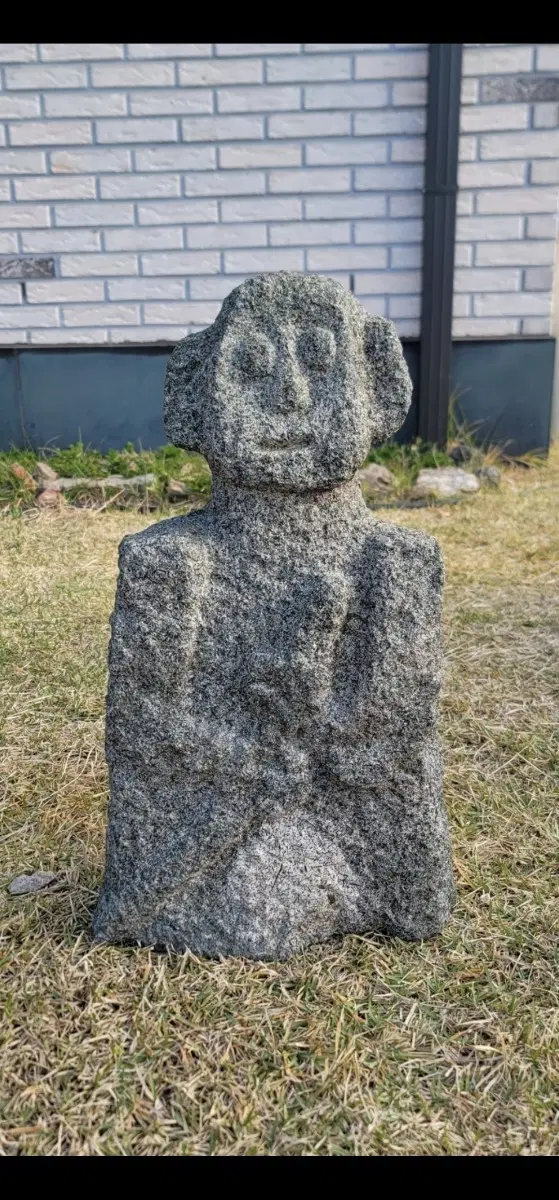
https://globalbunjang.com/product/447183456 Folk Buddhist Stone: Height 55cm, Width 33cm, Thickness 18cm Weight: Approx. 40~50kg Era: Late Joseon Dynasty. Authentic A rare, top-tier domestic hard stone (granite) >>>>>>>>>>>>>>>>>>>> It takes a form similar to stone objects placed by commoners long ago during the late Joseon Dynasty for the purpose of suho or decoration. With large ears, round eyes, and a unique expression, it exhibits a humorous yet simple folk carving technique. While some opinions suggest it could be a Beoksu or Muninseok, if you observe various characteristics—such as the hands gathered at the chest and the carved shape and size resembling a staff—it is closer to a Buddhist statue (Kshitigarbha Bodhisattva). Due to natural erosion, the head does not clearly retain the curly hair of nabal (snail-shell curls), but the actual stone surface shows traces of being quite bumpy and sharp. It is reasonable to consider this an anonymous folk Buddhist stone statue created to pray for the peace and well-being of a village. Why? Why is that? Perhaps because the form is somewhat ambiguous and does not look exactly like the Buddha of today. Have you all seen the actual appearance of the Buddha from thousands of years ago (Buddhist Era 2570)? No, you haven't~ It is all we can recognize and understand through Buddhist statues in temples, paintings, etc. I believe the hearts and thoughts of the common people during the Joseon Dynasty were in the same situation. Therefore, while they carved while imagining the Buddha according to the stonemason's thoughts and feelings, a crude appearance different from their intention must have been completed. Even if they were professional stonemasons skilled in shaping stone, completing a stone Buddha by holding a chisel and hammer against such an incredibly hard material would have required immense and tedious effort (gong). If it were an ordinary person, perhaps an unskilled villager with some manual dexterity, the labor required would have been many times harder even if it looks simple. Most folk Buddhist stones use stones from the nearby village area and often have soft stone textures. For example, carvings using somewhat easier stone textures, such as Masaseok, can often be found. Since there were no modern cars or equipment, we can infer that, unless it was for a temple or a specific national site, natural stones from nearby were used for transport and carving. The reason I emphasize that this is extremely hard stone is that it is a very rare and tremendous hard stone; to explain its hardness through experience, I am telling you this because the stone texture is as incredibly hard as a piece of iron. In the past, it was similar to a stone texture used to compare extreme hardness, referred to as 'Dadaepo Stone' in the southern regions. I mentioned this comparison because I believe there are some of you who would understand the feeling of this description. Because the density of the stone is high, the hardness is excellent, and even at the same size, the weight is far superior to ordinary stone. It would have been a truly frustrating stone texture to carve with a simple hand hammer in those days. The current condition is also very good. It is difficult to express the overall feeling and stone texture through photos and the actual object alone. The actual stone surface is bumpy throughout, and the chisel marks remain intact and warmly, along with the sense of passing time. It is a rare stone texture with the highest hardness even among domestic granite types. If you have time, I hope you examine the actual object—you can visit and view it anytime. If you have a Hanok or a yard, displaying it would make it the best stone object to feel a museum-like atmosphere and deep elegance. As I have mentioned several times, even if you do not have a yard, placing it indoors or on an apartment veranda is an unexpectedly wonderful advantage of stone objects~ If you find that the era is incorrect or it differs from the description upon inspection, I will provide a return and refund at any time. >>>>>>>>>>>>>>>>>>>>>>> Standard courier delivery is difficult. Shipping arrangements will be handled through consultation.
| Option Name | USD |
|---|---|
| Joseon Dynasty Minbul (Stone Statue) Authentic - Joseon Dynasty Minbul (Stone Statue) Authentic | $1186.88 |
$9498.17
Shipping In KR Incl.
No Extra Fee
$118.69
Shipping In KR Incl.
No Extra Fee

$296.72
Shipping In KR Incl.
No Extra Fee
$79.13
Shipping In KR Incl.
No Extra Fee

$43.52
Shipping In KR Incl.
No Extra Fee

$118.69
Shipping In KR Incl.
No Extra Fee
$63303.17
Shipping In KR Incl.
No Extra Fee
$123.44
Shipping In KR Incl.
No Extra Fee
$1586.46
Shipping In KR Incl.
No Extra Fee
$878.29
Shipping In KR Incl.
No Extra Fee

$197.81
Shipping In KR Incl.
No Extra Fee
$54.20
Shipping In KR Incl.
No Extra Fee

$158.25
Shipping In KR Incl.
No Extra Fee
$27693.75
Shipping In KR Incl.
No Extra Fee
$158.25
Shipping In KR Incl.
No Extra Fee

$158.25
Shipping In KR Incl.
No Extra Fee
$10289.42
Shipping In KR Incl.
No Extra Fee

$121.06
Shipping In KR Incl.
No Extra Fee

$96.53
Shipping In KR Incl.
No Extra Fee
$142.43
Shipping In KR Incl.
No Extra Fee
$474.75
Shipping In KR Incl.
No Extra Fee

$75.17
Shipping In KR Incl.
No Extra Fee

$1353.04
Shipping In KR Incl.
No Extra Fee
$94950.00
Shipping In KR Incl.
No Extra Fee

$70.82
Shipping In KR Incl.
No Extra Fee
$34.81
Shipping In KR Incl.
No Extra Fee
$81.10
Shipping In KR Incl.
No Extra Fee
$42.73
Shipping In KR Incl.
No Extra Fee
$4.35
Shipping In KR Incl.
No Extra Fee

$18.20
Shipping In KR Incl.
No Extra Fee
$121.06
Shipping In KR Incl.
No Extra Fee
$45.10
Shipping In KR Incl.
No Extra Fee
Bunjang is Korea's largest second-hand marketplace, where individual sellers list K-Pop goods, fashion, electronics and more. Buying there usually needs a Korean phone number, a Korean payment method and a Korean address. With Vamos Seoul you can shop Bunjang in English from anywhere: you place the order, we contact the Korean seller and buy the item for you, and it is kept in your own warehouse in Korea until you ship it to your country.
Search Bunjang items on Vamos Seoul in English.
Add the item to your cart and order it. You don't need a Korean account, phone number or card.
Pay online. The price you see already includes shipping in Korea and our service fee.
Vamos Seoul contacts the Korean seller and buys the item for you. If an item can't be bought, we refund only that item.
The seller ships it to our warehouse in Korea. When it arrives, we take a photo and keep it in your own warehouse.
Combine it with your other items from Korea and ship everything together to your address.
Do you still have questions?Contact Support
