Loading...

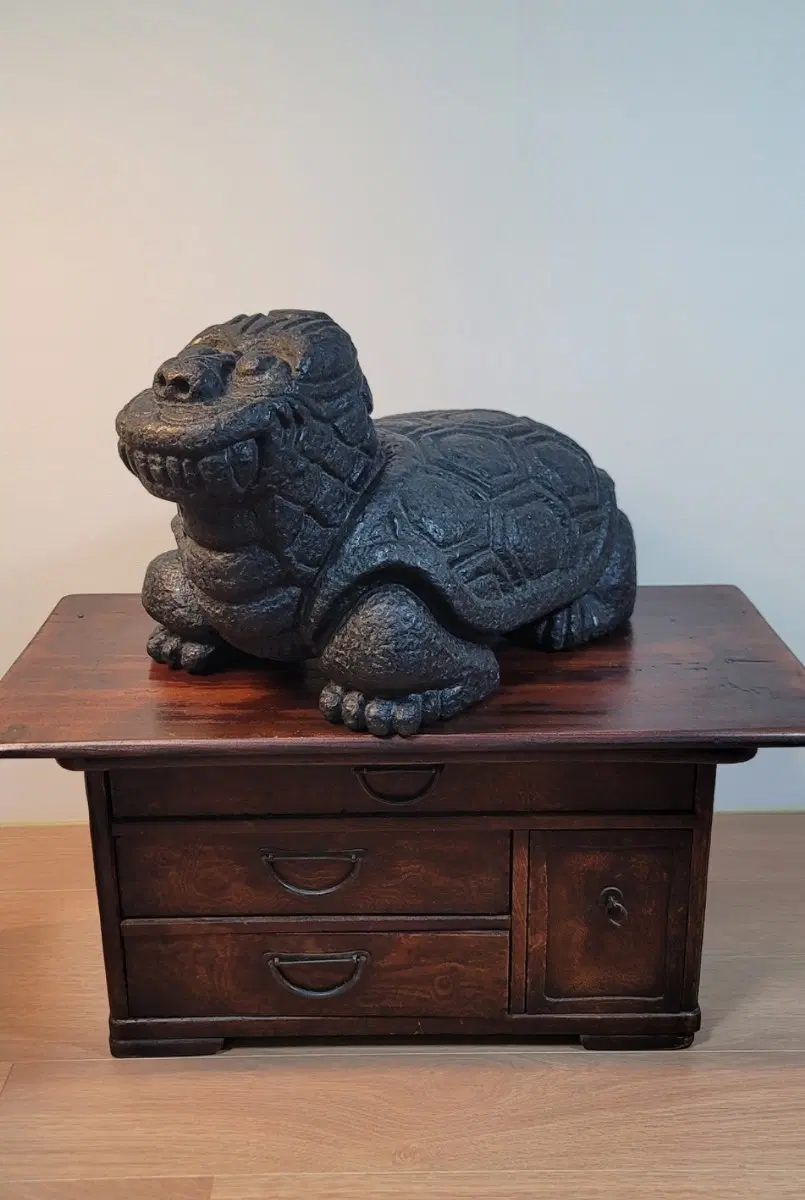
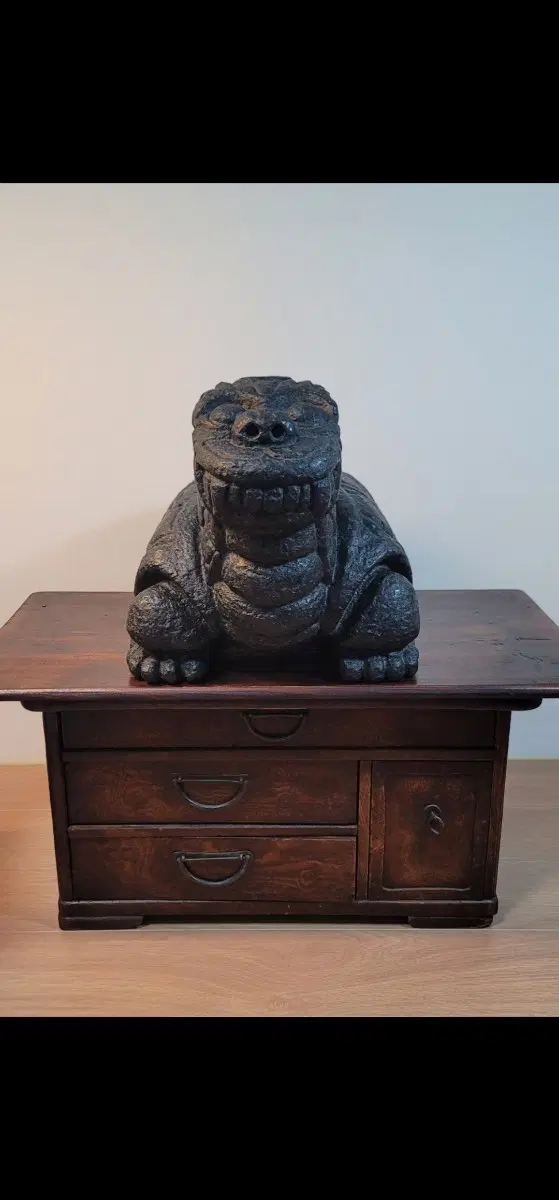
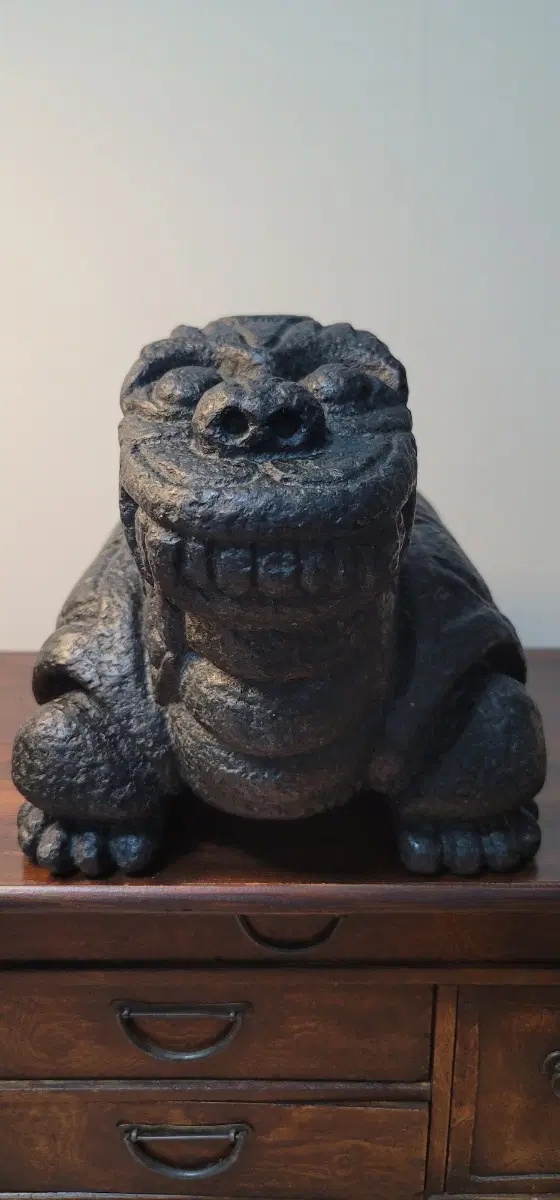
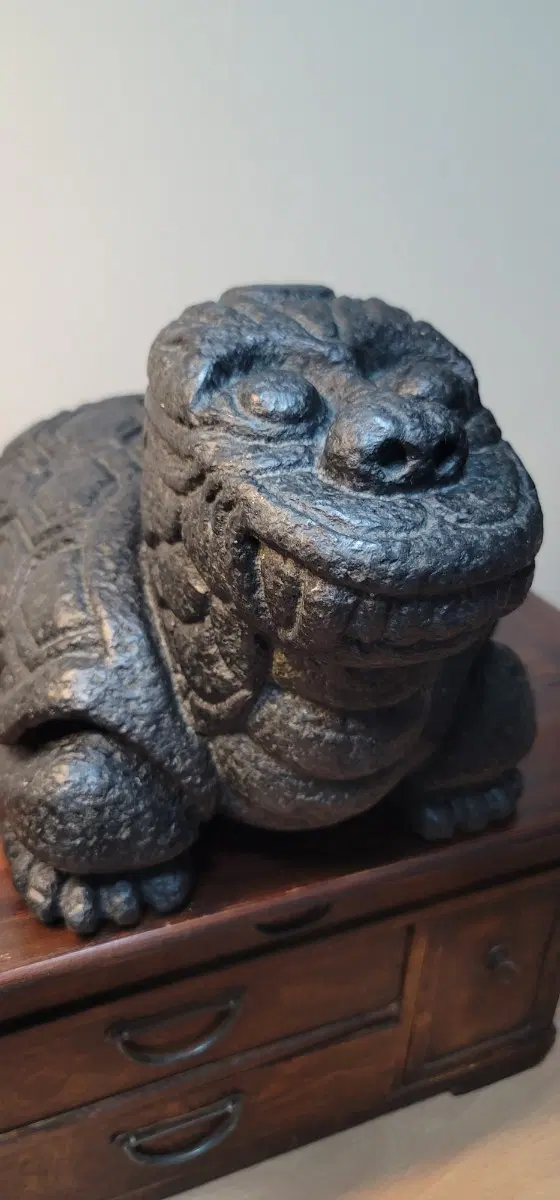
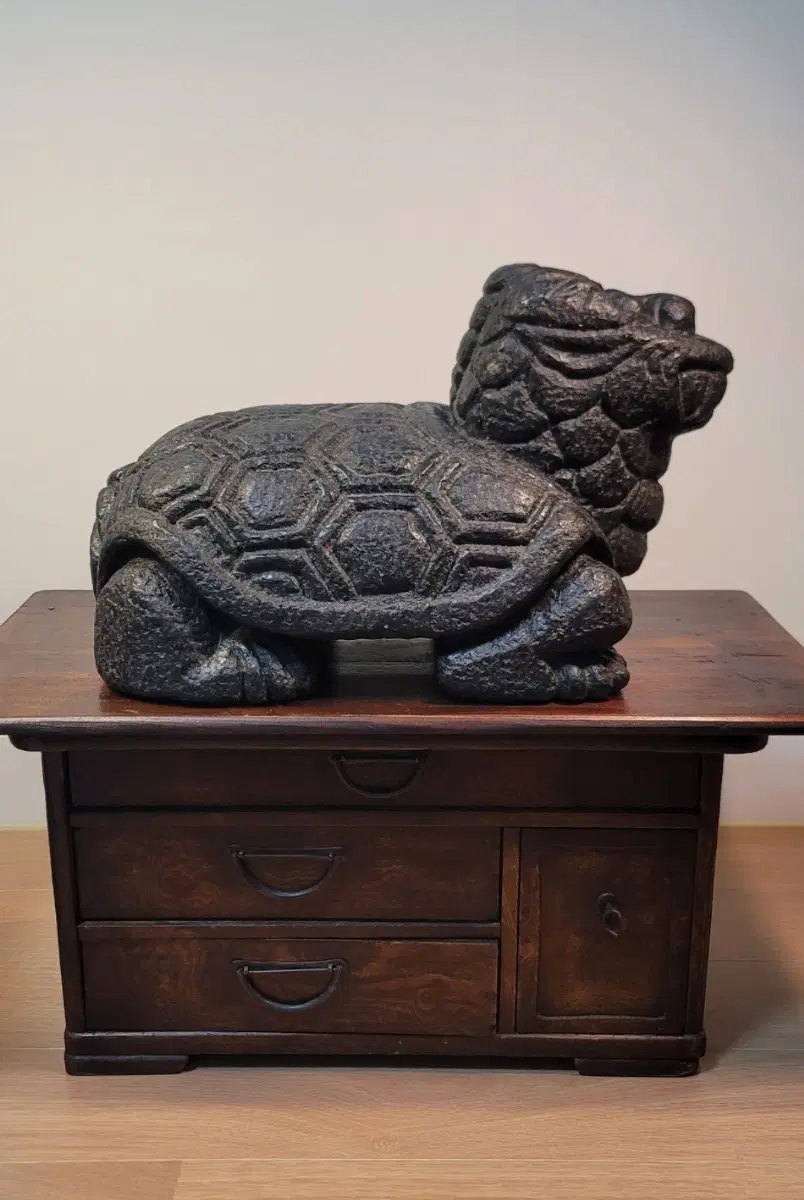
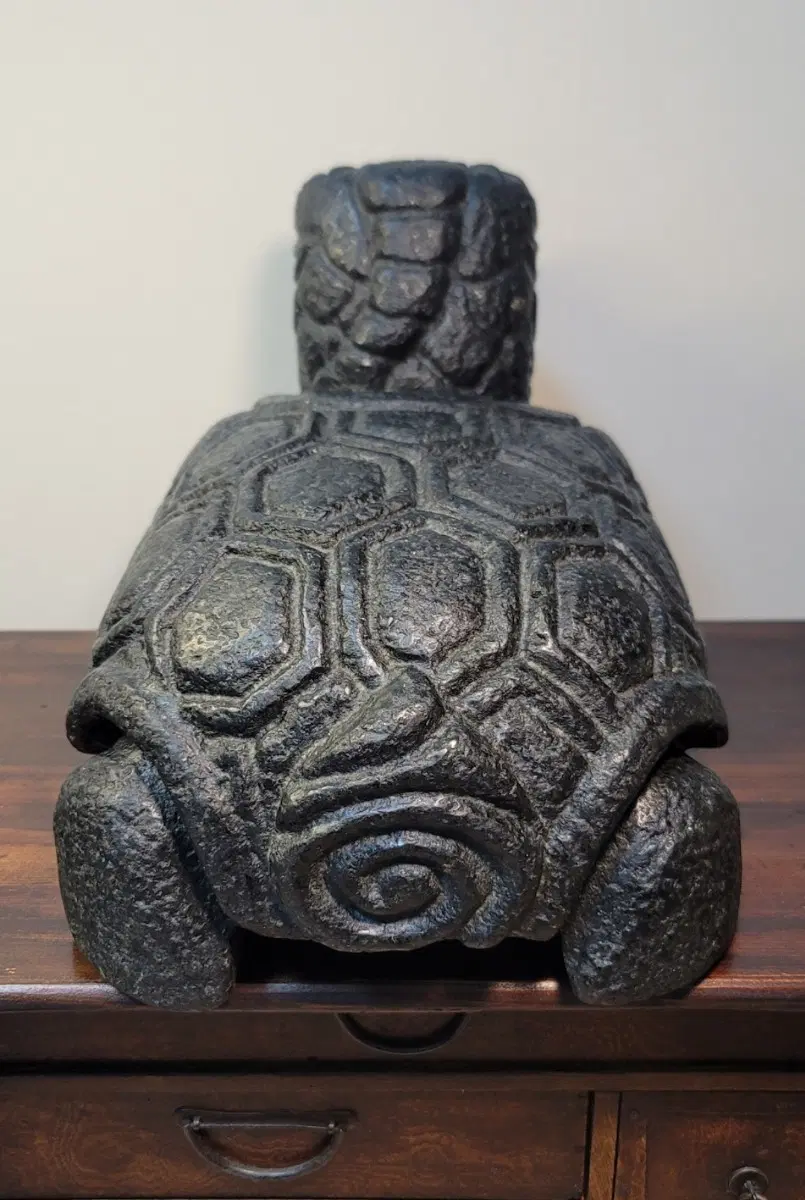
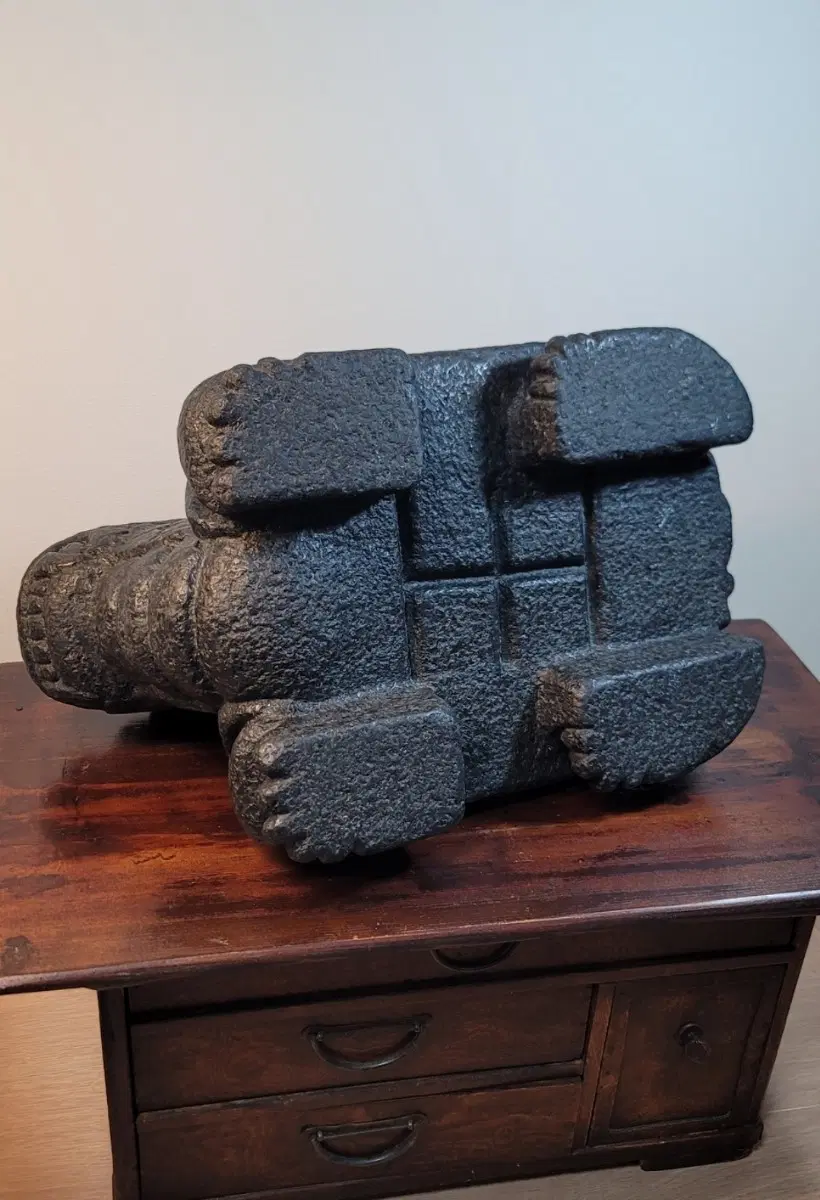
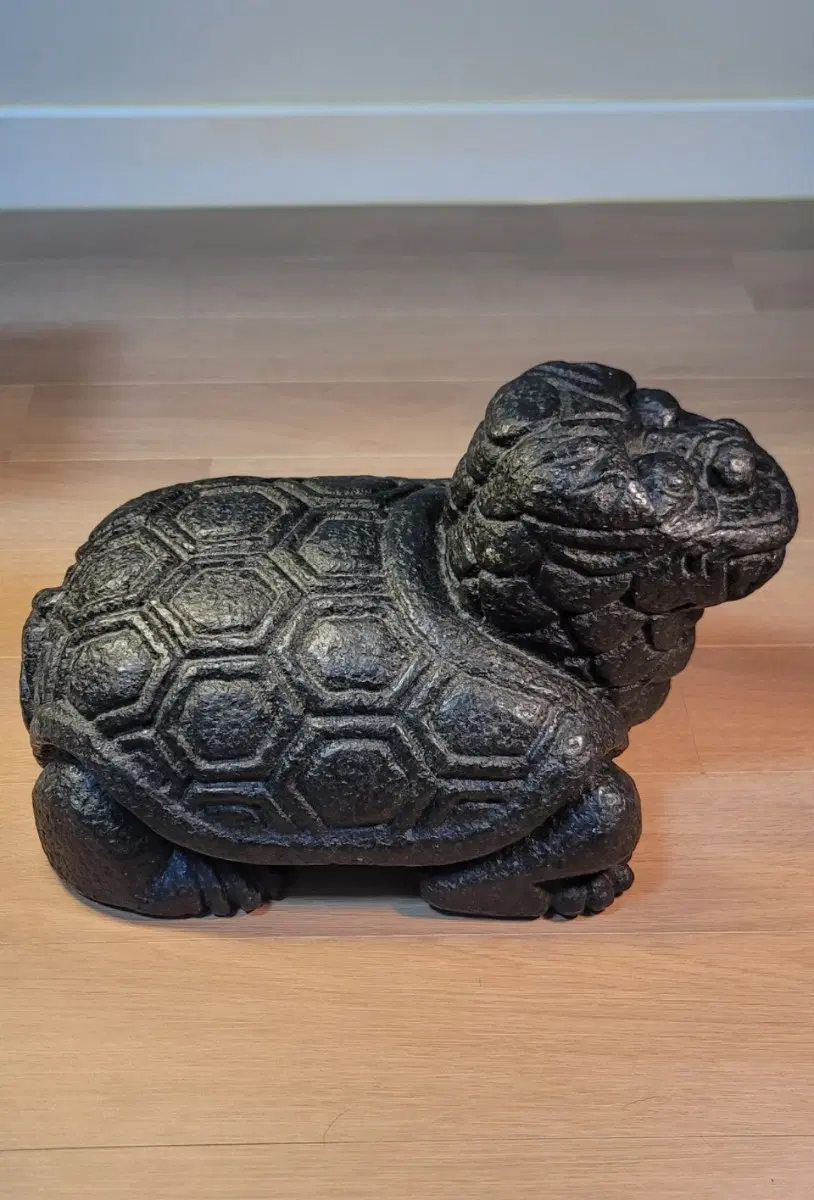

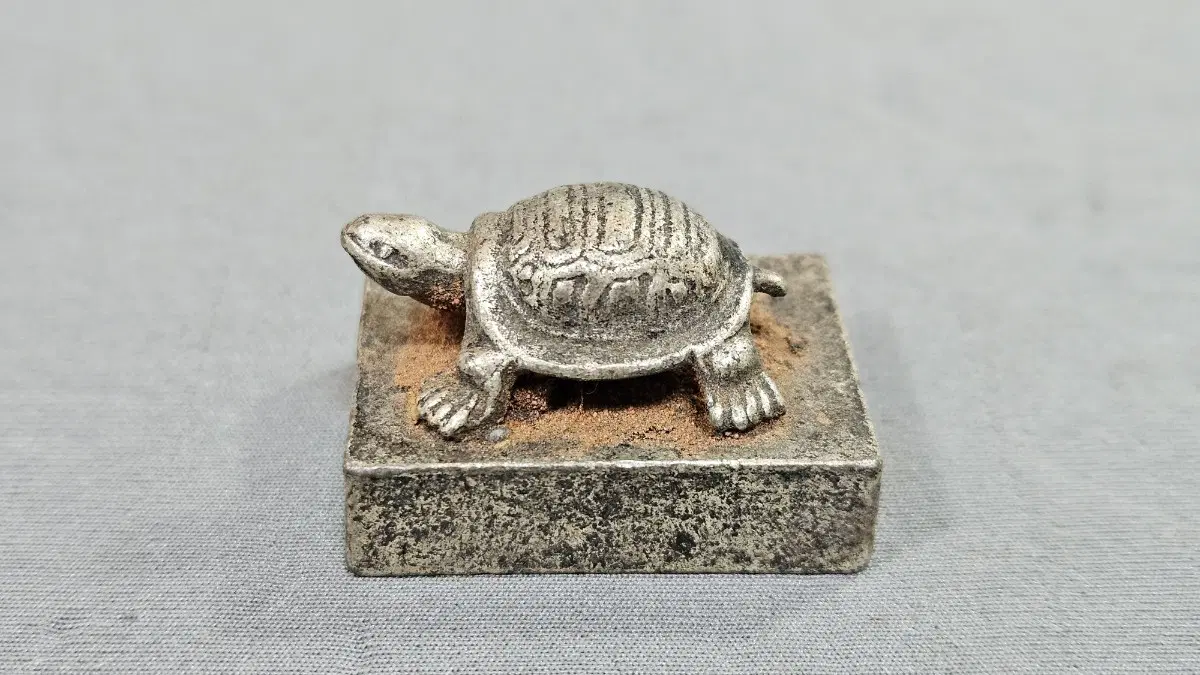
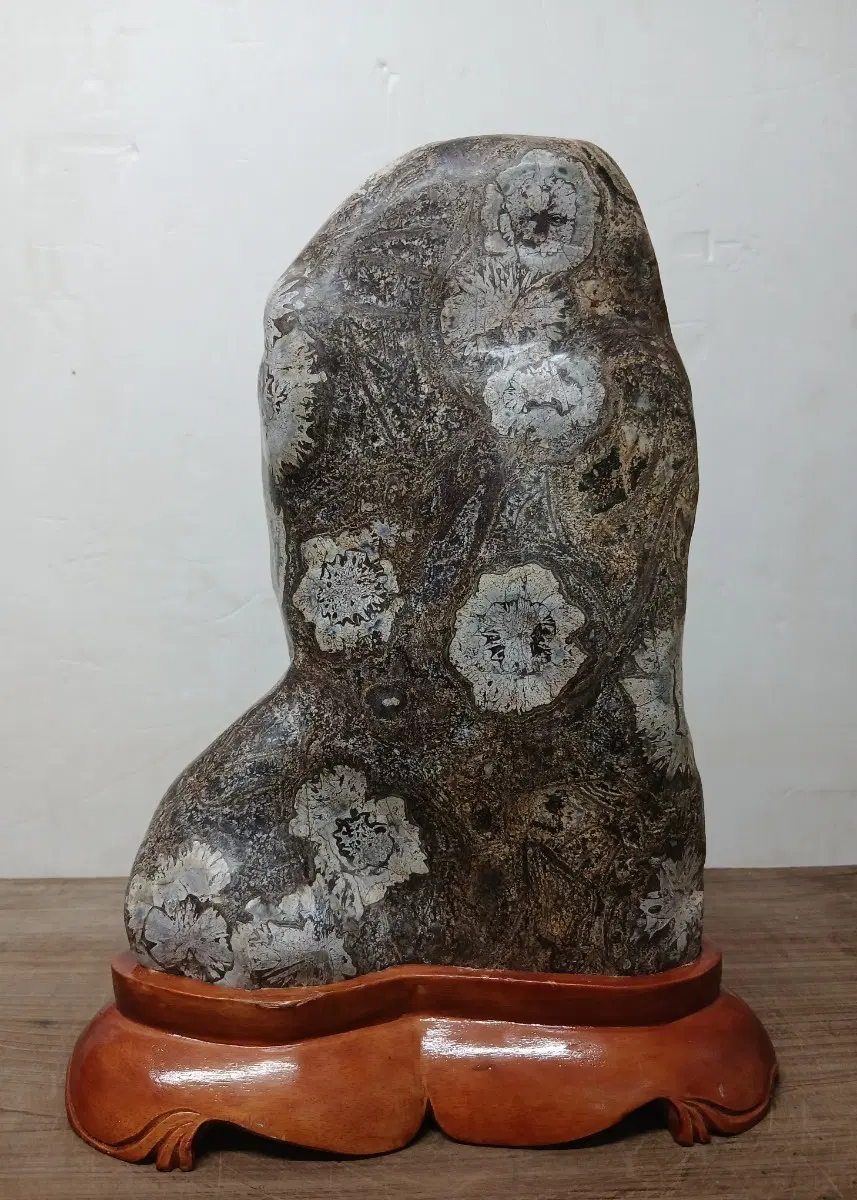
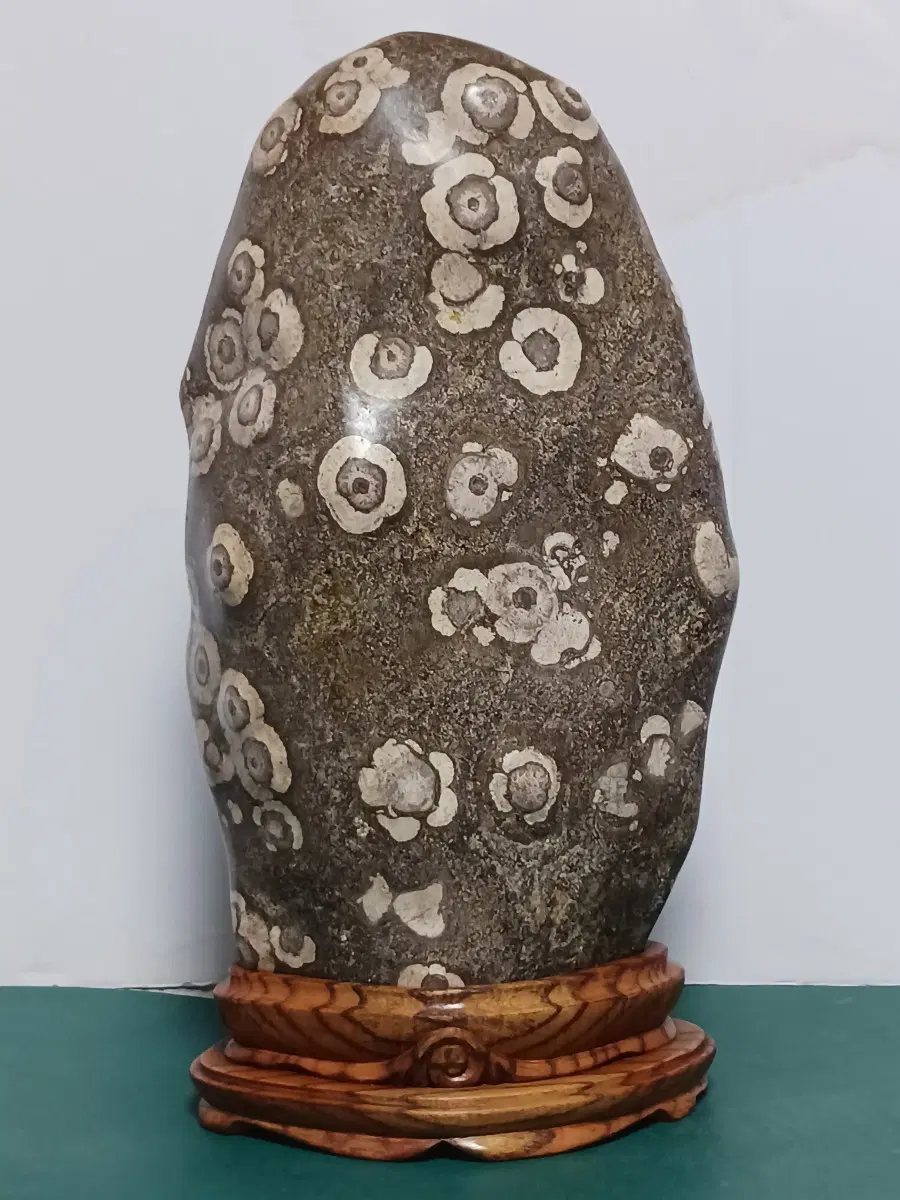
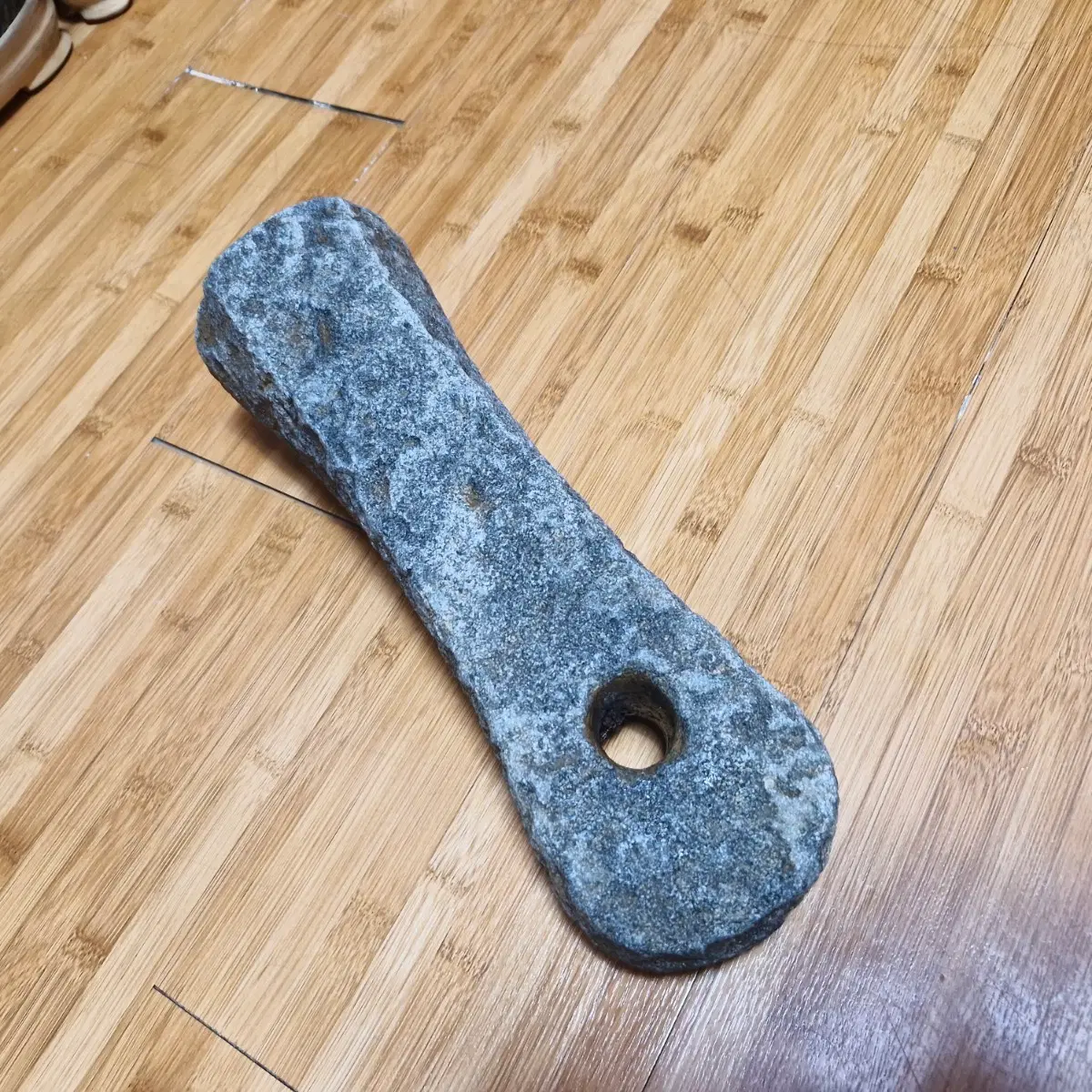
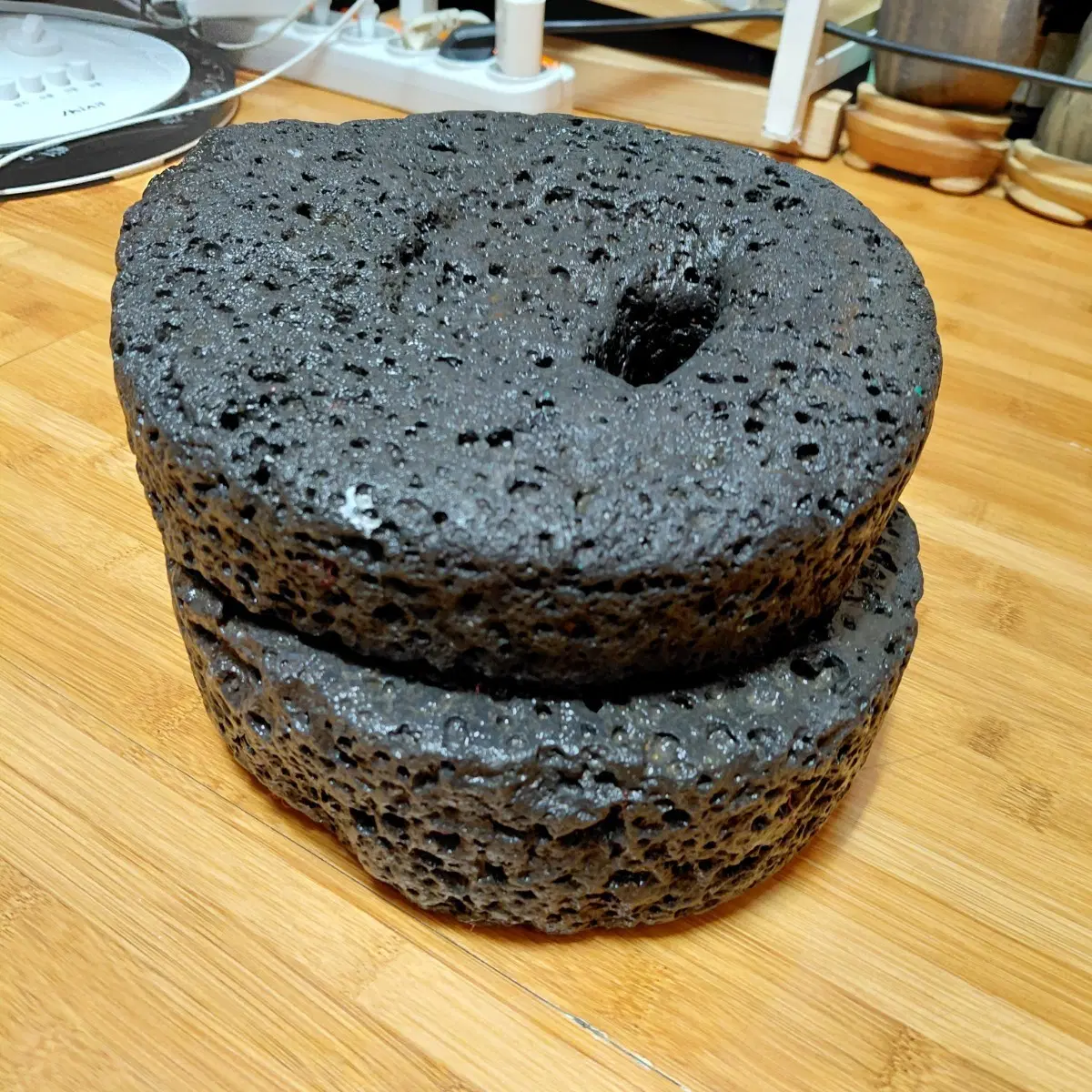
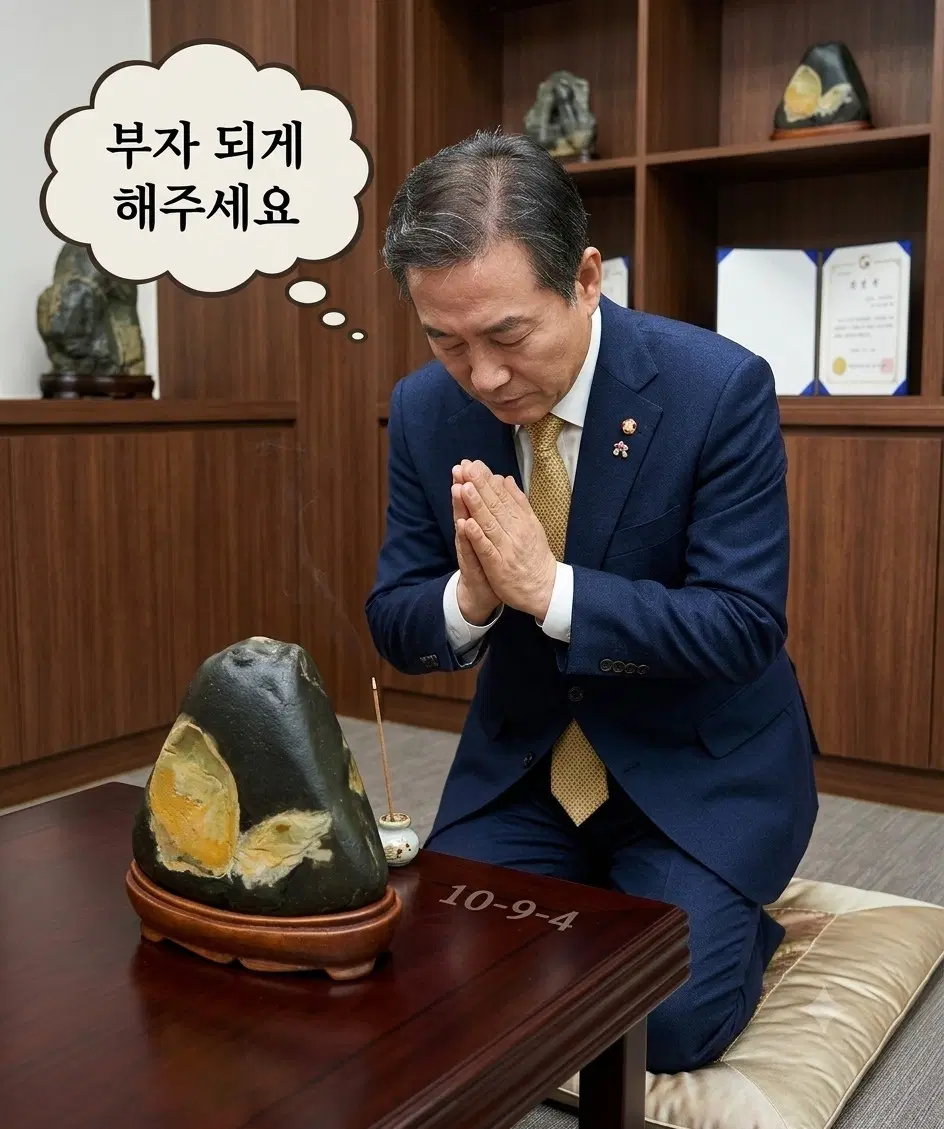
https://globalbunjang.com/product/448222611 Yonggeobuk-eop (Dragon Turtle) : Length 34cm, Width 21cm, Height 21cm Weight: 17kg Material: Domestic Jangsu Gupdol. Original Condition: Special Special Grade A >>>>>>>>>>>>>>>>>>>>>> Jangsu Gupdol Yonggeobuk (Dragon Turtle) Eopdol (Ritual Stone) is a mythical animal with the body of a turtle and the head of a dragon. In Feng Shui, it is an auspicious symbol that attracts wealth, health, and longevity, as well as warding off misfortune and bad energy. For a long time, it has been an Eopdol kept in secret places or under the wooden floors of Hanok houses when they were newly built or renovated. The Origin of Jangsu Gupdol The origin of Jangsu Gupdol dates back to the reign of King Sukjong of the Joseon Dynasty. Mr. Choi jaemin, while serving as a Geumbudosa (Royal Inspector) during King Sukjong's reign, was caught in a conspiracy and exiled to Jangsu, Jeolla-do. He maintained his livelihood by making fields in the mountains to plant crops and catching wild animals such as rabbits and pheasants. However, even when he caught animals to eat, he had no particular way to cook the meat. While worrying, he discovered that there were many large, wide stones nearby. He selected a wide stone, built a fire on it, and cooked the animal meat on top. When he tasted it, he experienced a truly magnificent meat flavor that he had never even tasted while serving as a Geumbudosa. This led him to the deep thought of mining these stones, crafting them well, and presenting them to the King. He processed the stone and presented it to King Sukjong through the local magistrate. King Sukjong was pleased and pardoned his crimes, but he was not reinstated to his official position. Afterward, he settled in the mountain valleys of Daeseong-ri, Jangsu, and made a living by mining stones, which became the present-day Jangsu Gupdol. While the Gupdol of Jangsu-gun had deep origins as something presented to the royal court, the formal establishment of its manufacturing form began with the Choi family, who resided in Daeseong-ri for generations. It started in 1923 when the late Mr. Choi Sun-yong discovered high-quality Gupdol at Gwaedeungsan and commercialized it. Subsequently, three generations—his son Choi Young-sik and grandson Choi Byeong-ok—carried on the family business, but they all passed away about twenty or thirty years ago. Currently, it is a protected mineral, and mining is prohibited. Jangsu Gupdol, which is not found anywhere else in the world, is known as hornblende and has the characteristic of emitting large amounts of far-infrared rays and minerals when heated. Furthermore, even during the Japanese colonial period, when the efficacy and preciousness of Gupdol were already known, the importance of this industry was recognized. They protected the Gupdol stonemasons by exempting them from forced labor and providing various privileges, such as rice rations. It is bitter to think that even in those days, the Japanese took all the good things~ <National Treasure No. 162 Jinmyosu was made of Jangsu Gupdol>~ In the summer of 1971, the world's attention was focused on a tomb excavation conducted in Gongju, Chungcheongnam-do. The Jinmyosu (tomb guardian beast) stone animal excavated from the Tomb of King Muryeong of Baekje is currently owned and exhibited at the Gongju National Museum. What is Jinmyosu? It is a spiritual, imaginary animal statue that guards a tomb. It acts as a symbolic sentinel that prevents evil spirits or bad energy from entering the tomb and protects the soul of the deceased, guiding them safely to the afterlife. The Jinmyosu is the first and only stone artifact of its kind discovered in our country. It is a guardian deity that protected the Tomb of King Muryeong for as long as 1,446 years. Having its value and historical significance recognized, it was designated and managed as a 'National Treasure' in 1974. What is noteworthy here is, "How was this Jinmyosu made?"~ In 2014, the Gongju National Museum conducted an analysis of the components of the rock used to make the Jinmyosu. The result was very surprising. The Jinmyosu was made of hornblende (a type of igneous rock), and the fact was that its source was Jangsu-gun, Jeollabuk-do. To put it simply, the famous Gupdol of Jangsu-gun was the raw material for the 'Jinmyosu,' a National Treasure representing Baekje. Since it can be inferred that the aristocracy used it since the Baekje period, I have explained this to help you understand the long history of Jangsu Gupdol. For your information, in the case of Gupdol Eopdol that have undergone verification from the Joseon Dynasty, similar forms are valued at tens of millions of won due to their preciousness. Since the lineage was broken as a protected mineral, I want to convey that even Gupdol works from the Japanese colonial period or at least several decades ago will increase in collection value over time due to their rarity. The first rule of antiques is scarcity. The s
| Option Name | USD |
|---|---|
| Jangsu Gopdol Yonggeobuk Updol - Jangsu Gopdol Yonggeobuk Updol | $1186.88 |

$553.88
Shipping In KR Incl.
No Extra Fee

$118.69
Shipping In KR Incl.
No Extra Fee
$26.90
Shipping In KR Incl.
No Extra Fee
$79.13
Shipping In KR Incl.
No Extra Fee

$1000.93
Shipping In KR Incl.
No Extra Fee

$959.00
Shipping In KR Incl.
No Extra Fee
$226.30
Shipping In KR Incl.
No Extra Fee
$39.56
Shipping In KR Incl.
No Extra Fee
$870.38
Shipping In KR Incl.
No Extra Fee
$63.30
Shipping In KR Incl.
No Extra Fee
$435.19
Shipping In KR Incl.
No Extra Fee

$42.73
Shipping In KR Incl.
No Extra Fee
$53.01
Shipping In KR Incl.
No Extra Fee

$20.18
Shipping In KR Incl.
No Extra Fee
$118.69
Shipping In KR Incl.
No Extra Fee

$19.39
Shipping In KR Incl.
No Extra Fee
$53.01
Shipping In KR Incl.
No Extra Fee

$97.72
Shipping In KR Incl.
No Extra Fee

$134.51
Shipping In KR Incl.
No Extra Fee

$51.43
Shipping In KR Incl.
No Extra Fee

$118.69
Shipping In KR Incl.
No Extra Fee
$41.94
Shipping In KR Incl.
No Extra Fee
$118.69
Shipping In KR Incl.
No Extra Fee

$47.48
Shipping In KR Incl.
No Extra Fee
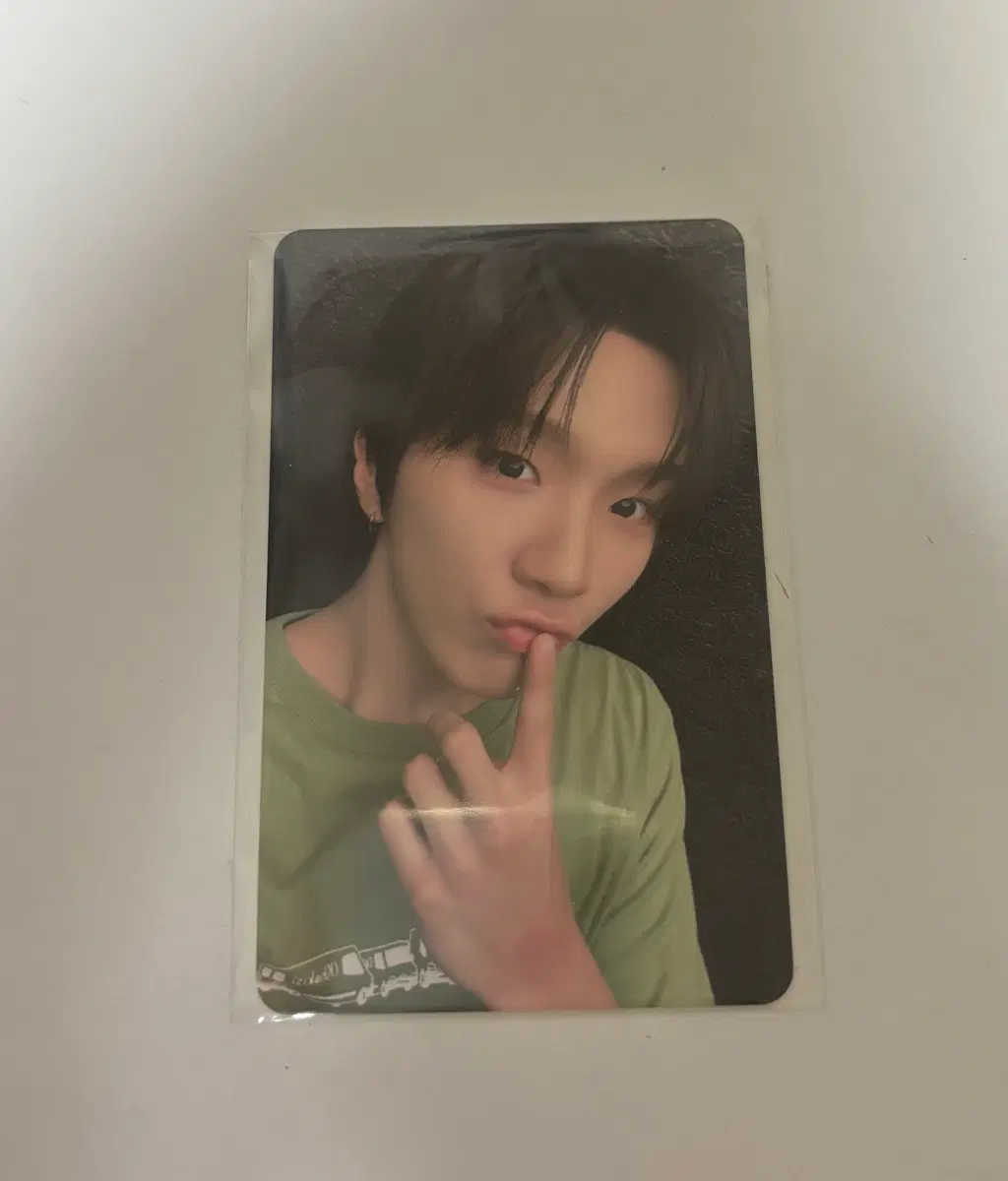
$9.57
Shipping In KR Incl.
No Extra Fee
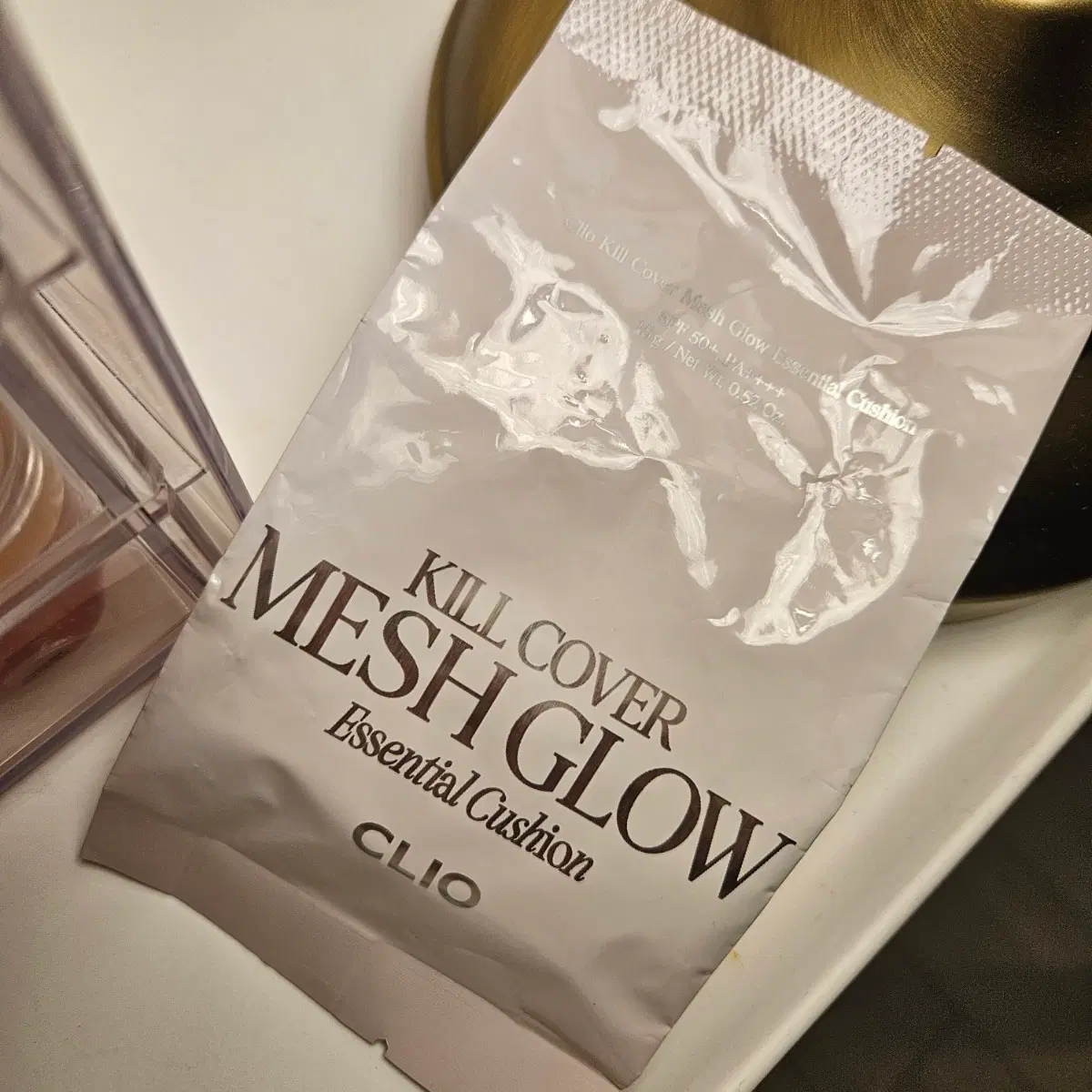
$9.49
Shipping In KR Incl.
No Extra Fee
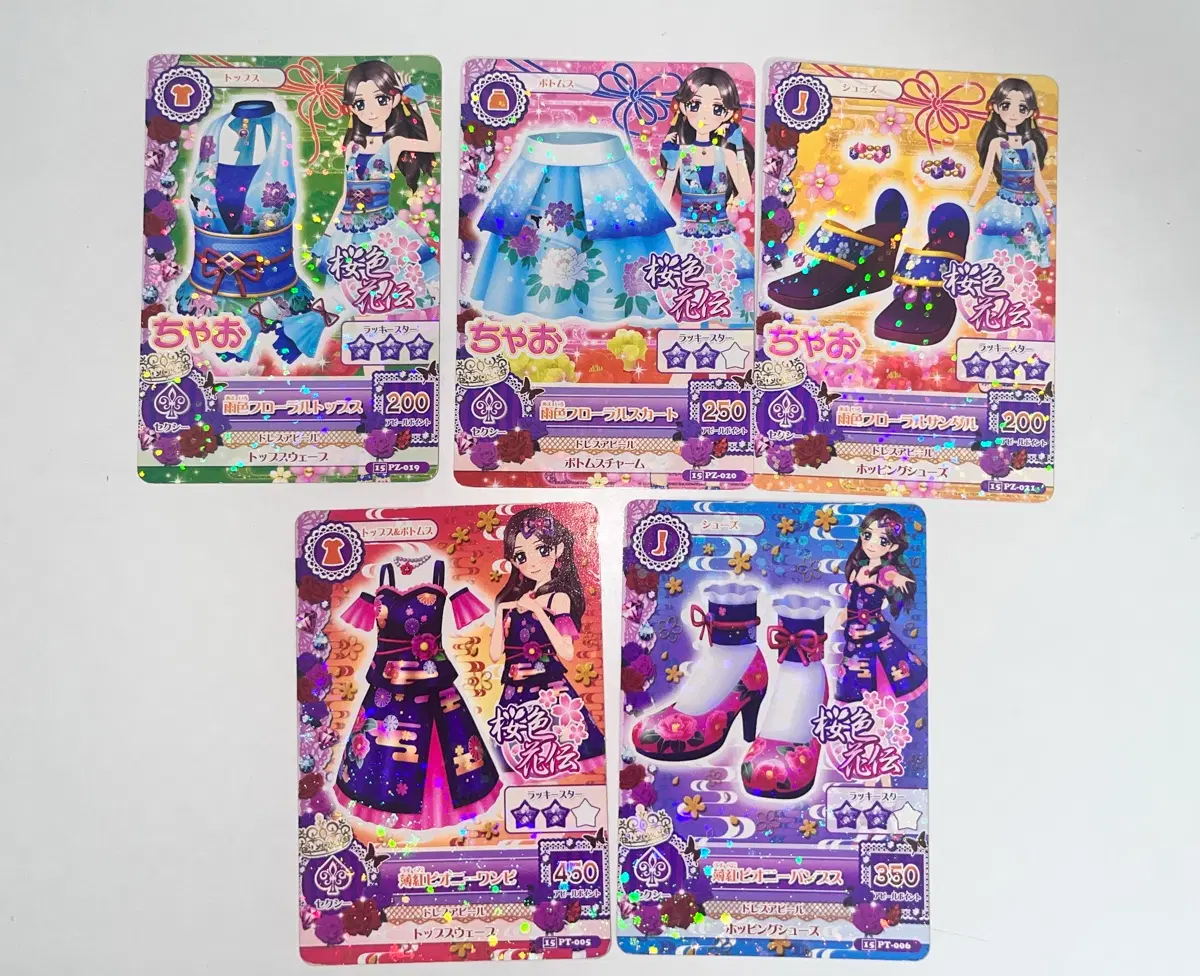
$13.85
Shipping In KR Incl.
No Extra Fee
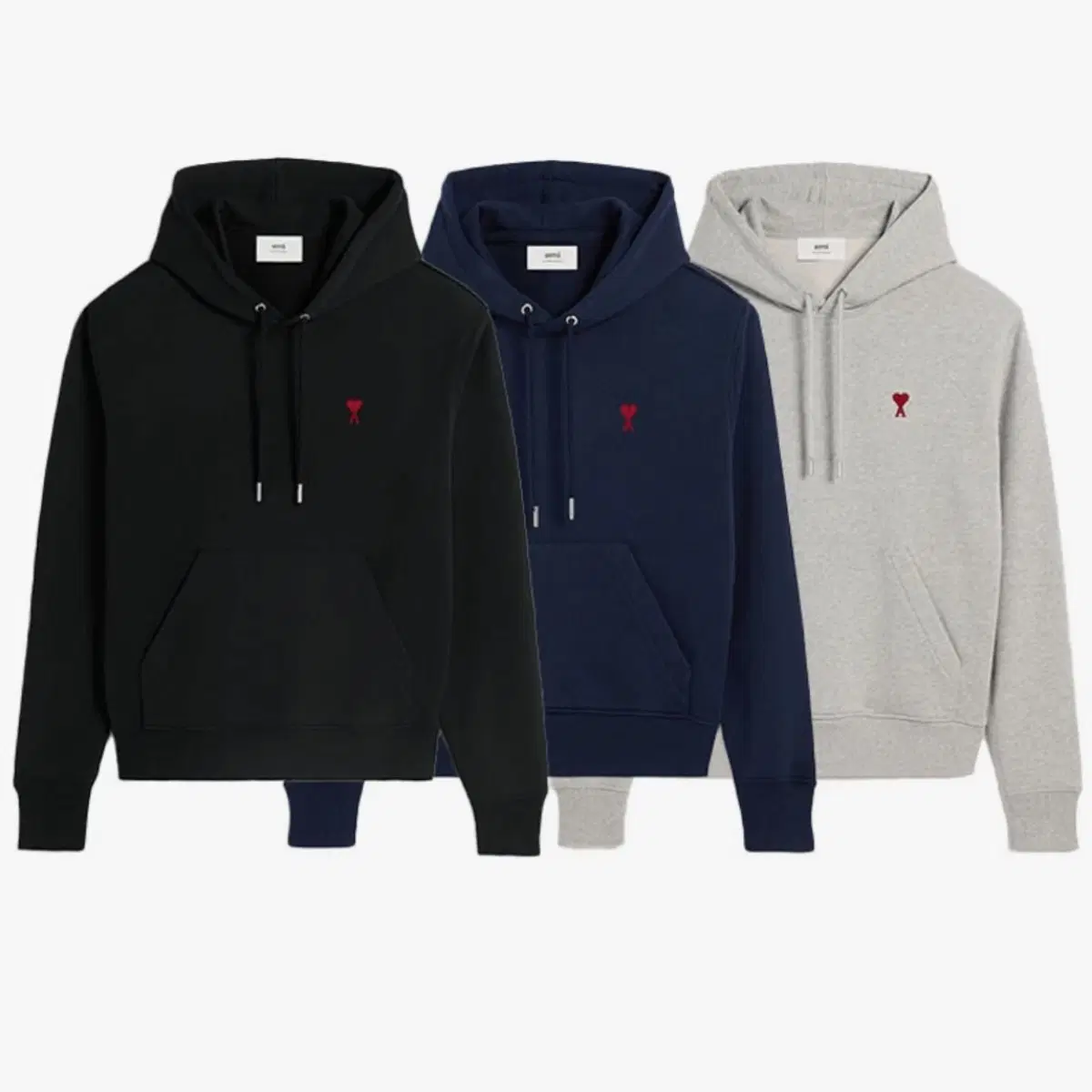
$63.30
Shipping In KR Incl.
No Extra Fee
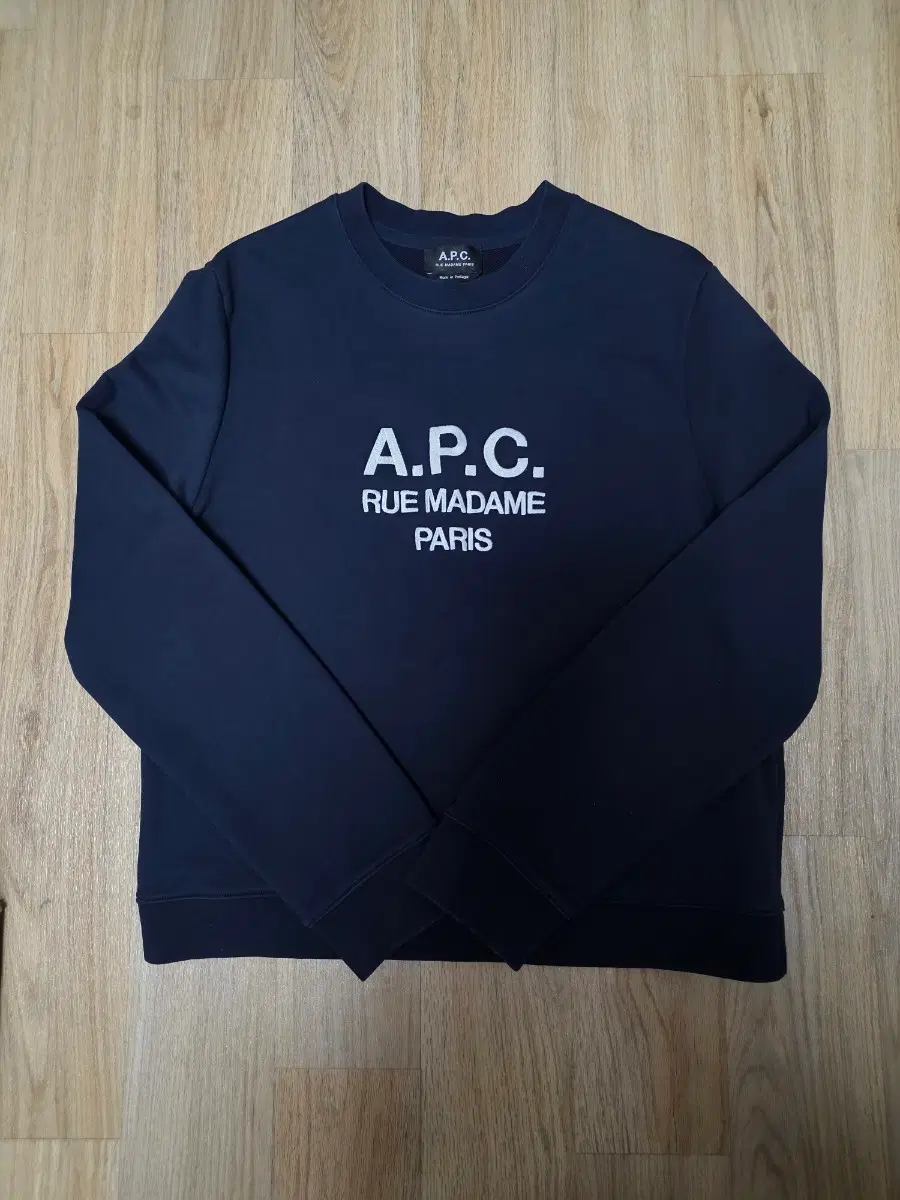
$31.65
Shipping In KR Incl.
No Extra Fee
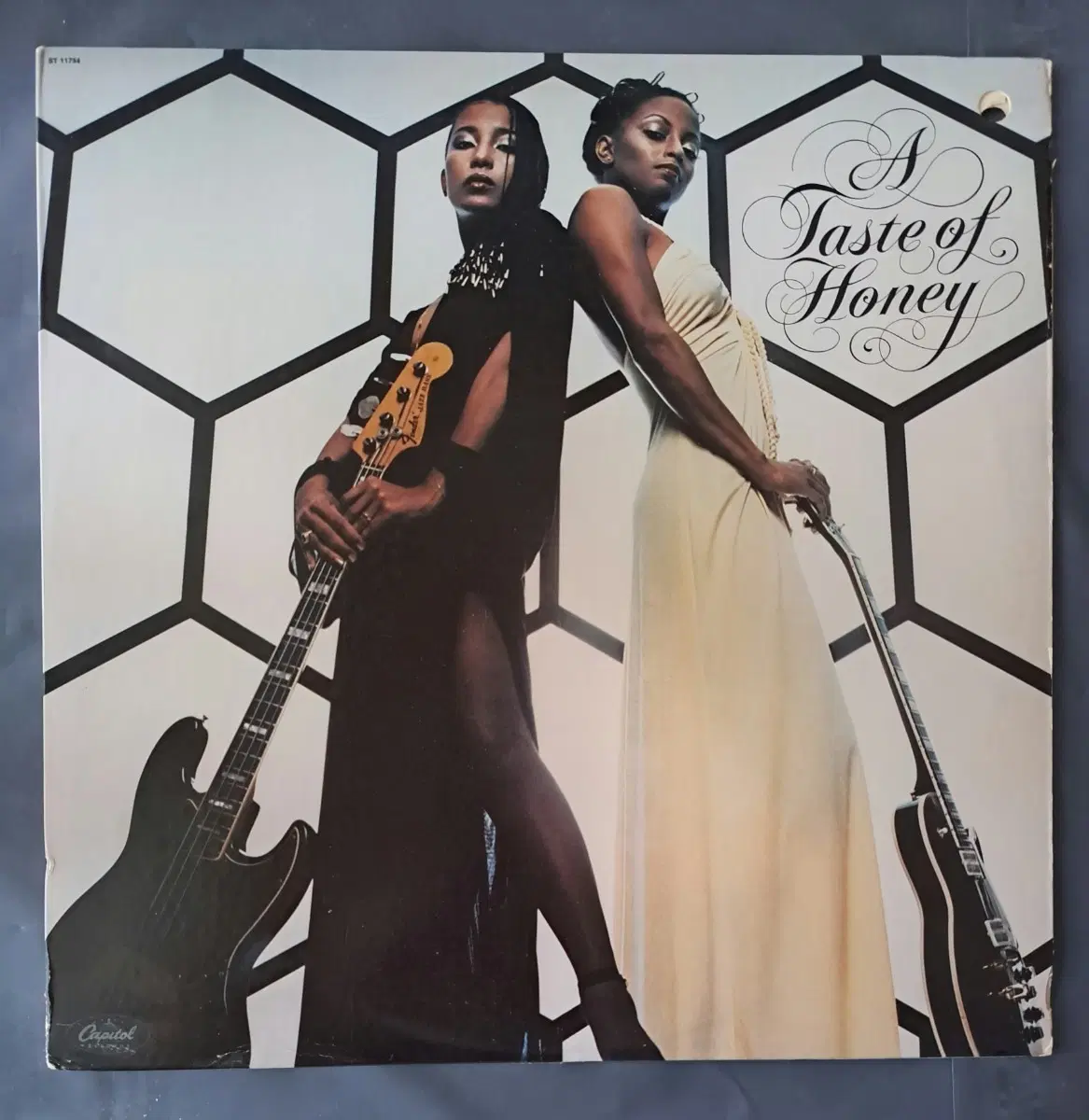
$30.86
Shipping In KR Incl.
No Extra Fee
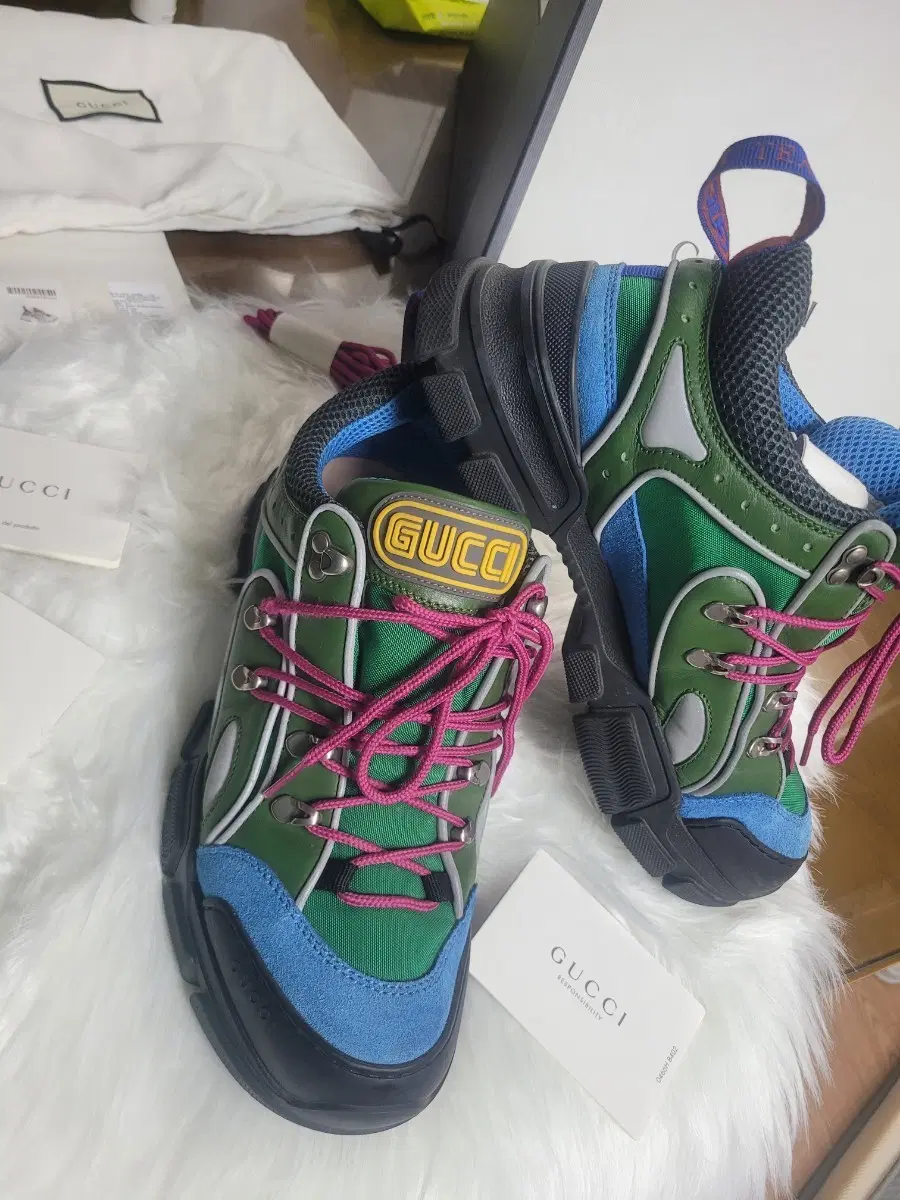
$470.79
Shipping In KR Incl.
No Extra Fee
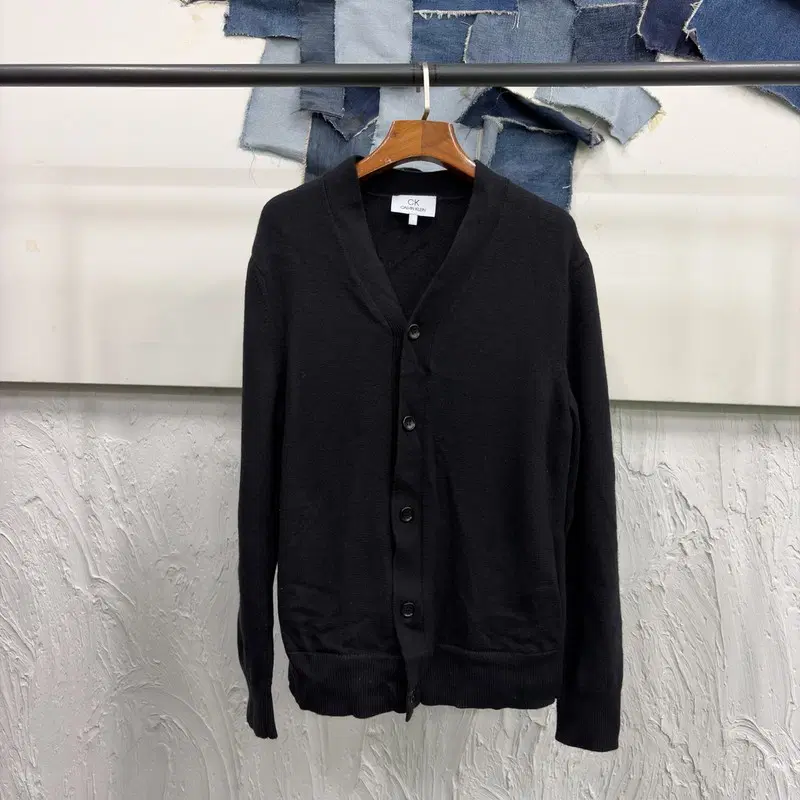
$34.02
Shipping In KR Incl.
No Extra Fee
Bunjang is Korea's largest second-hand marketplace, where individual sellers list K-Pop goods, fashion, electronics and more. Buying there usually needs a Korean phone number, a Korean payment method and a Korean address. With Vamos Seoul you can shop Bunjang in English from anywhere: you place the order, we contact the Korean seller and buy the item for you, and it is kept in your own warehouse in Korea until you ship it to your country.
Search Bunjang items on Vamos Seoul in English.
Add the item to your cart and order it. You don't need a Korean account, phone number or card.
Pay online. The price you see already includes shipping in Korea and our service fee.
Vamos Seoul contacts the Korean seller and buys the item for you. If an item can't be bought, we refund only that item.
The seller ships it to our warehouse in Korea. When it arrives, we take a photo and keep it in your own warehouse.
Combine it with your other items from Korea and ship everything together to your address.
Do you still have questions?Contact Support
